top of page


What DNA Can (and Cannot) Tell You About Your Family History
DNA has become an increasingly common tool in family history research, and for good reason. It can reveal biological connections that may never appear in records and can provide new direction when traditional research reaches its limits. At the same time, DNA is often misunderstood. Some people expect immediate, definitive answers, while others worry it will uncover more than they’re prepared to know. Understanding what DNA can and cannot do is an important part of using it
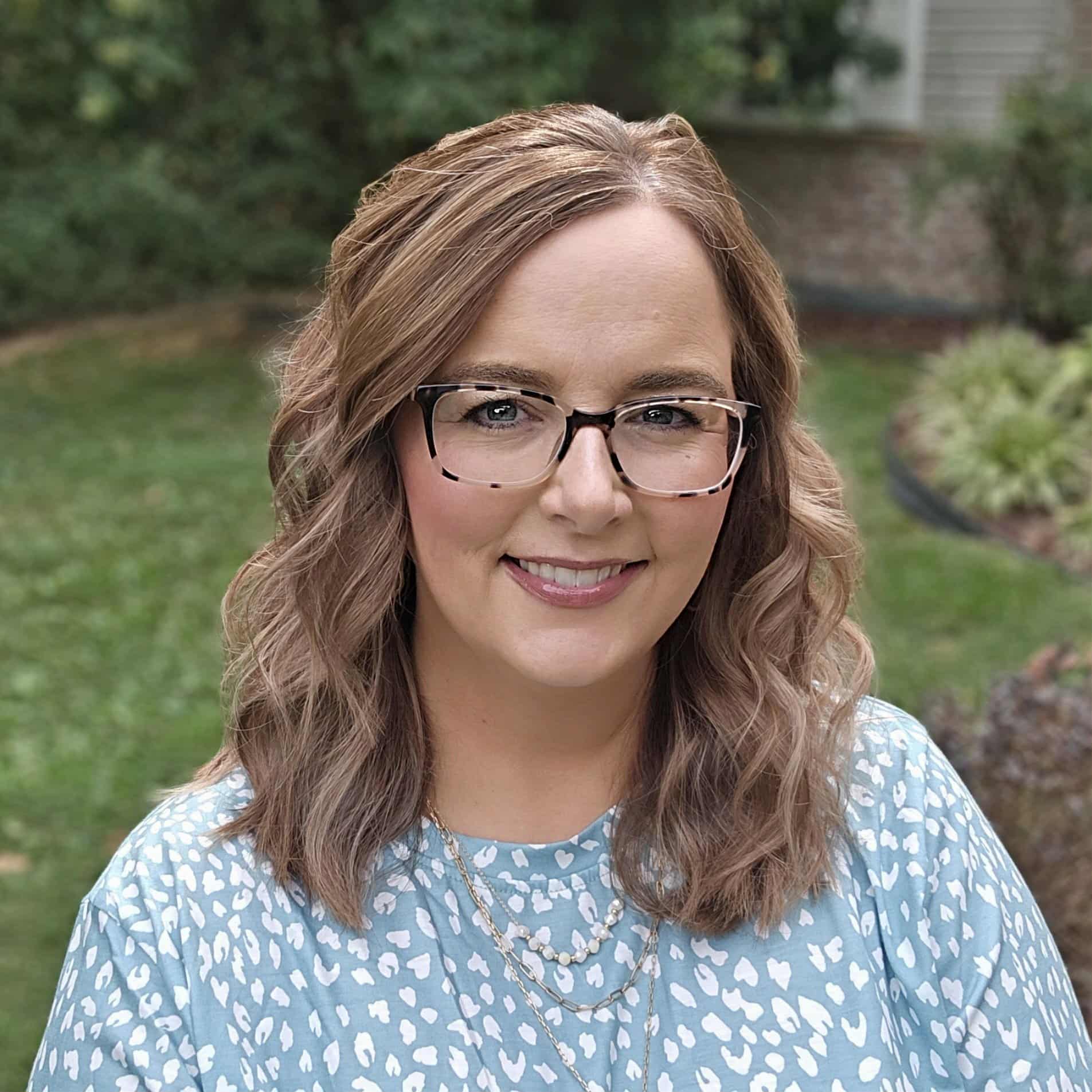
Christina Pearson
2 min read


Adoptee DNA Searches: Common Myths vs. Reality
For many adoptees, DNA testing feels both hopeful and intimidating. Stories online can make it seem either effortless or impossible, often leaving people unsure what to expect before they begin. Adoptee DNA searches are powerful, but they are frequently misunderstood. Separating myth from reality can make the process feel more grounded and less overwhelming. Myth 1: DNA Will Immediately Reveal My Birth Parents One of the most common misconceptions is that a DNA test will deli
Christina Pearson
3 min read


What People Don’t Expect Emotionally When Seeking Biological Family
Most people begin a search for biological family with a clear goal in mind. A name. A connection. An answer to a long-held question. What they often do not expect is how emotional the process can be, even when things go well. This kind of search is not just about facts. It is about identity, belonging, and stories that may have been missing for decades. And once those doors start to open, feelings tend to follow, whether you invited them or not. The Emotional Build-Up Happens
Christina Pearson
2 min read


Why Ethical Boundaries Matter in DNA & Genetic Genealogy
DNA has a way of feeling powerful. A test kit can unlock answers that records never could. It can connect people, reveal long-held truths, and sometimes change how someone understands their own story. Because of that power, ethical boundaries are not optional in DNA and genetic genealogy. They are essential. Without them, DNA research can cause real harm, even when the intentions are good. DNA Is Not Just Data When we work with DNA, we are not working with neutral information
Christina Pearson
2 min read


Why Not All DNA Cases Can Be Solved
And How I Approach Uncertain Outcomes One of the hardest truths about DNA work is this: Not every case ends with a clear answer. If you are starting a DNA search, especially one involving unknown parentage or missing family connections, it is natural to assume that DNA will eventually reveal everything. After all, DNA feels definitive. Scientific. Certain. But real-world DNA analysis does not always work that way. Why Some DNA Cases Remain Unresolved DNA does not exist in a v
Christina Pearson
3 min read


How Genetic Genealogy Is Used Differently for Personal vs. Investigative Work
Genetic genealogy appears frequently in news stories and conversations, but it does not always mean the same thing. While the tools may look similar on the surface, the way genetic genealogy is used for personal cases versus investigative work is very different. Understanding that distinction matters, especially if you are considering professional help or wondering how DNA information is used in different contexts. Personal Genetic Genealogy Is Client Driven In personal genet
Christina Pearson
3 min read


The Growing Role of DNA in Modern Genealogical Research
Not that long ago, genealogy meant paper. Census records, birth certificates, marriage licenses, faded photographs, and hours spent scrolling through microfilm. For many families, those records were enough to build a solid family tree. For others, they left long stretches of unanswered questions. Today, DNA has become one of the most powerful tools available to genealogists. It does not replace traditional research, but it changes what is possible, especially when records are
Christina Pearson
2 min read
bottom of page