top of page


How Autosomal DNA Can Break Through Genealogy Brick Walls
If you’ve spent any time researching your family history, you’ve likely encountered a moment where progress simply stops. Records disappear. Names change. Stories conflict. No matter how carefully you search, the answers just aren’t there. These are often called genealogical brick walls, and they can be deeply frustrating, especially when you’ve done everything “right.” Autosomal DNA analysis has changed how many of these brick walls can be approached. While DNA doesn’t repl
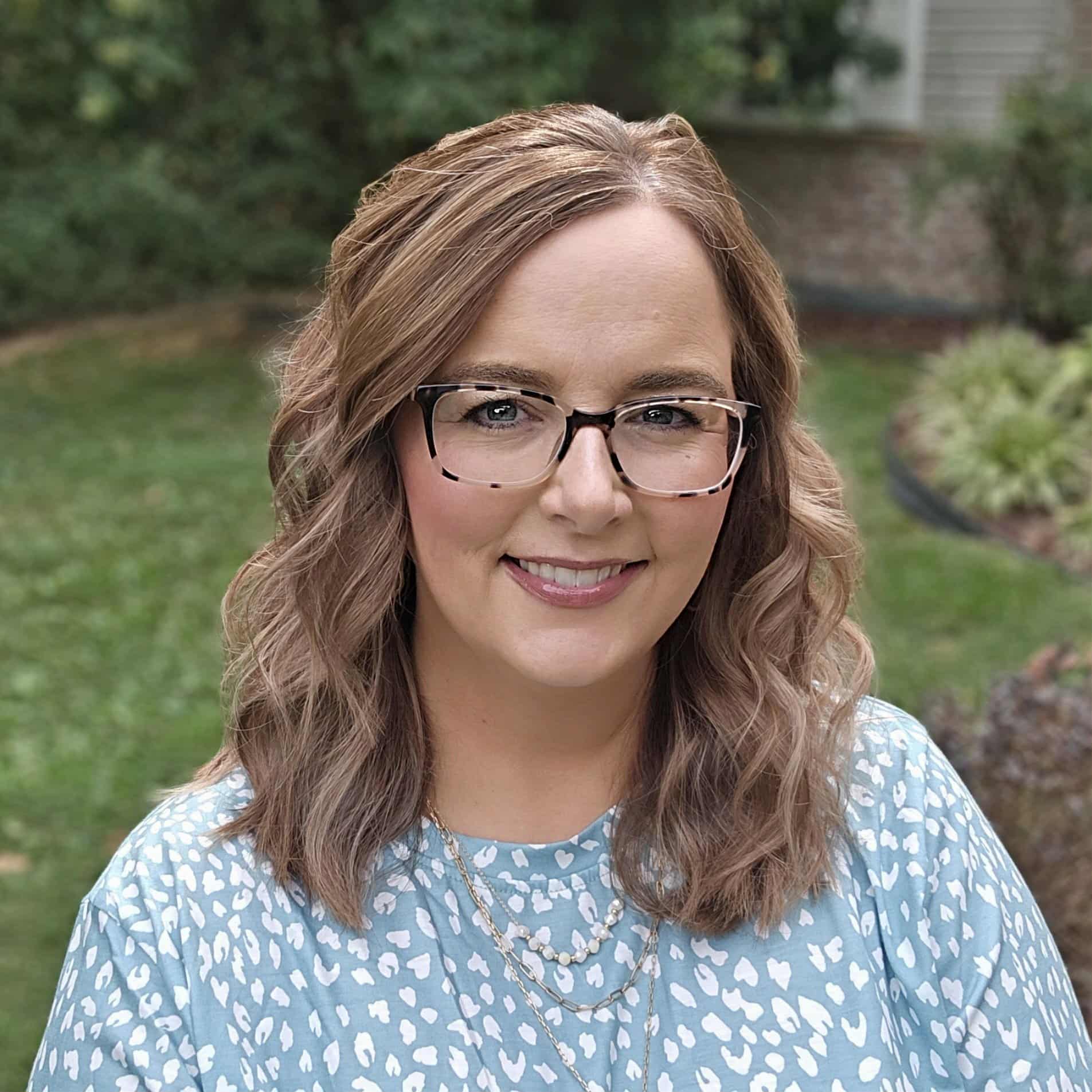
Christina Pearson
2 min read


What DNA Can (and Cannot) Tell You About Your Family History
DNA has become an increasingly common tool in family history research, and for good reason. It can reveal biological connections that may never appear in records and can provide new direction when traditional research reaches its limits. At the same time, DNA is often misunderstood. Some people expect immediate, definitive answers, while others worry it will uncover more than they’re prepared to know. Understanding what DNA can and cannot do is an important part of using it
Christina Pearson
2 min read


Why “No Information” Is Often Enough When Using DNA
One of the most common things I hear from clients is this: “I don’t have any information. I don’t even know where to start.” They often say it with hesitation, sometimes with embarrassment, as if they are already behind before the work has even begun. But in DNA-based genealogy, no information is not a dead end. In many cases, it is more than enough. DNA Does Not Need a Starting Story Traditional genealogy relies heavily on records and known facts. Names, dates, places, famil
Christina Pearson
2 min read


Why Traditional Records Sometimes Fail and DNA Succeeds
Genealogical research often begins with records. Census schedules, birth certificates, marriage licenses, wills, church registers, and land deeds form the backbone of traditional family history research. In many cases, these documents provide enough detail to build accurate and meaningful family trees. But for many researchers, progress eventually slows or stops entirely. Records disappear. Clues conflict. Questions remain unanswered. This is where frustration sets in, and wh
Christina Pearson
2 min read


The Difference Between Autosomal, Y-DNA, and mtDNA (and When Each Is Useful)
DNA testing has become one of the most powerful tools in modern genealogy, but not all DNA tests serve the same purpose. One of the most common sources of confusion is understanding why there are different types of tests and which one applies to a specific research question. Autosomal DNA, Y-DNA, and mitochondrial DNA each follow different inheritance paths. Knowing what each test can and cannot do helps set realistic expectations and leads to better research outcomes. Autoso
Christina Pearson
3 min read


Understanding DNA Matches: Why 2nd Cousin Matches Matter More Than You Think
When people first look at their DNA results, their attention is usually drawn to the closest matches. Parents, siblings, first cousins. Those relationships feel familiar and immediately meaningful. By comparison, second cousin matches often seem distant or unimportant, easy to scroll past in favor of something that looks more obvious. In reality, second cousin matches are often some of the most valuable clues in genetic genealogy. Understanding why requires shifting how we
Christina Pearson
3 min read


Why DNA Results Sometimes Raise More Questions Before Providing Answers
Many people begin DNA testing with a clear hope. A name. A confirmation. A missing piece finally falling into place. What often comes as a surprise is that DNA results do not always deliver answers right away. In many cases, they raise new questions first. This is not a failure of DNA testing. It is part of how genetic genealogy works. Understanding why this happens can make the process feel less overwhelming and help set realistic expectations from the start. DNA Reveals Pat
Christina Pearson
3 min read


Why Cluster Analysis Is Often the Turning Point in DNA Investigations
At some point in a DNA investigation, the list of matches stops being helpful on its own. You may have dozens, or even hundreds, of matches. Names, usernames, shared centimorgans, and trees. Plenty of information, but no clear direction. Everything feels scattered, and it can be hard to tell which connections actually matter. This is often the moment when cluster analysis becomes the turning point. When Individual Matches Are Not Enough Looking at DNA matches one by one can
Christina Pearson
2 min read


How Genetic Genealogy Is Used Differently for Personal vs. Investigative Work
Genetic genealogy appears frequently in news stories and conversations, but it does not always mean the same thing. While the tools may look similar on the surface, the way genetic genealogy is used for personal cases versus investigative work is very different. Understanding that distinction matters, especially if you are considering professional help or wondering how DNA information is used in different contexts. Personal Genetic Genealogy Is Client Driven In personal genet
Christina Pearson
3 min read


The Growing Role of DNA in Modern Genealogical Research
Not that long ago, genealogy meant paper. Census records, birth certificates, marriage licenses, faded photographs, and hours spent scrolling through microfilm. For many families, those records were enough to build a solid family tree. For others, they left long stretches of unanswered questions. Today, DNA has become one of the most powerful tools available to genealogists. It does not replace traditional research, but it changes what is possible, especially when records are
Christina Pearson
2 min read
bottom of page